Game Introduction
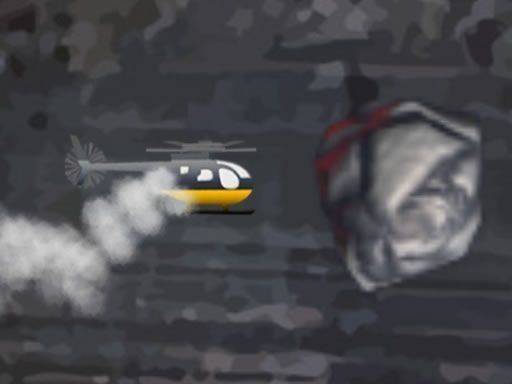
Sky Hop Helicopter Puzzle is an arcade-style flying game that focuses on timing and control. Players guide a small helicopter as it moves through a sky filled with rocks and other obstacles. The main goal is to fly as far as possible by passing through gaps between obstacles. Each successful pass increases the distance score. The game ends if the helicopter touches any obstacle. The experience is designed to be simple and clear, with colorful visuals and responsive controls. It is suitable for quick play sessions but offers enough challenge to encourage repeated attempts. The core appeal lies in mastering the rhythm of flight and improving personal best distance. This game provides a clean, engaging activity for players of all ages who enjoy straightforward puzzle challenges.
How to Play
Playing Sky Hop Helicopter Puzzle is easy to learn. Players tap or click to make the helicopter fly upward. Releasing the input lets it descend. The task is to guide the helicopter through the gaps between rocks and other obstacles that appear along the path. Each obstacle cleared adds to the distance score. The game ends if the helicopter hits any obstacle. To achieve a high score, players need to maintain a steady rhythm and anticipate the next obstacle. The controls are responsive, so with practice, players can improve their timing and fly further. The key is to make small, controlled adjustments rather than large movements.
Game Features
Simple tap controls that are easy to learn. Colorful, clear graphics that are pleasant to look at. Endless obstacle generation for continuous play. Distance tracking to record and compare high scores. Smooth gameplay that responds quickly to taps. Suitable for short breaks or longer practice sessions. The game offers a straightforward challenge that is accessible to new players while still providing depth for those who want to improve.
Tips for Success
Practice regularly to improve timing and coordination. Focus on maintaining a steady rhythm rather than making sudden movements. Anticipate upcoming obstacles by watching the path ahead. Stay calm and avoid overcorrecting, as small adjustments often work best. Take short breaks if you feel frustrated, as a fresh mind can improve performance. Learn from each attempt by noting where mistakes were made and adjusting the approach.





Comments
0 comments