Physics at Play
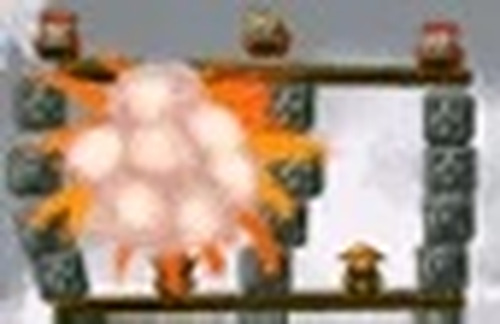
Color Quest Puzzle Challenge uses a realistic physics engine to create puzzles where every action matters. When players tap or click on the screen, characters and objects respond with lifelike movements. This core mechanic turns each level into a miniature sandbox where cause and effect drive the action. The physics simulation means that a single well-timed tap can set off a chain reaction, clearing multiple obstacles at once. Understanding how weight, momentum, and collision work becomes essential for solving later puzzles. The game rewards players who take time to observe how objects interact before making their move.
Strategic Decision Making
Each level presents a unique arrangement of characters and barriers. Some characters are friendly and must be kept safe, while others need to be removed. This distinction forces players to think carefully about their approach. A hasty tap might remove the wrong character or trigger an unwanted reaction. The game encourages planning by letting players survey the entire level before acting. As difficulty increases, levels introduce more complex layouts that require multi-step strategies. Players learn to prioritize targets and anticipate how their actions will affect the whole scene.
Visual Charm and Audio Cues
The game presents a bright, cartoonish world filled with expressive characters and colorful environments. Each level feels distinct thanks to varied color palettes and playful background details. Sound effects accompany every interaction, providing immediate feedback that helps players understand the consequences of their taps. The cheerful audio design keeps the mood light even during challenging puzzles. This combination of visual appeal and responsive sound creates an inviting space where players of all ages feel comfortable experimenting with different solutions.
Progression and Replayability
Color Quest Puzzle Challenge offers a steady climb in difficulty that keeps players engaged without becoming frustrating. Early levels introduce basic mechanics, while later stages combine multiple elements that require creative thinking. The game may include a hint system for players who get stuck, allowing them to continue progressing without giving up. Power-ups might appear as optional aids for particularly tough puzzles. This structure ensures that the game remains accessible to casual players while still offering satisfying challenges for those who enjoy strategic problem-solving.






Comments
0 comments