Core Gameplay Loop
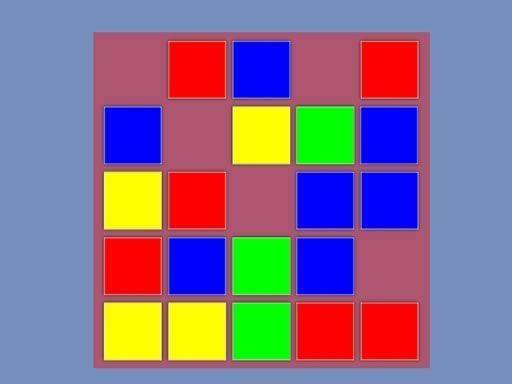
In Quick Hue: Reflex Color Grid, each round begins with a grid of sixteen colored squares. A background color flashes briefly, and you must tap the square on the grid that matches that exact hue. A correct tap removes the square, while an incorrect tap ends the round immediately. The challenge is to clear all squares in the shortest possible time. The game resets with a new random arrangement after each round, so no two attempts are identical. This design keeps the experience fresh and rewards consistent focus.
Design Philosophy
The visual presentation is intentionally minimal. The grid uses bright, distinct colors against a clean white background, reducing visual clutter and helping players concentrate on the task. The interface shows only the current time and the number of squares remaining. There are no distracting animations or sounds. This simplicity is deliberate: the game is meant to be a pure mental exercise, not a sensory overload. The lack of extra features means the player's own improvement becomes the primary source of engagement.
Accessibility and Session Structure
Quick Hue: Reflex Color Grid is designed for short play sessions. A typical round lasts between ten and thirty seconds, making it ideal for brief breaks or waiting periods. The controls are a single tap on the screen, so players of all ages and abilities can pick it up without instructions. The game does not require reading or language skills, which broadens its appeal. It also works offline, so it can be played anywhere without an internet connection. The scoring system is based solely on completion time, which allows for easy comparison between attempts and encourages repeated play.
Skill Development and Strategy
While the rules are simple, mastering the game requires developing effective scanning strategies. Many players find that systematically moving their gaze across the grid, such as from top left to bottom right, helps avoid missing squares. Others focus on anticipating the next target color by quickly identifying its location among the remaining squares. The game rewards both speed and accuracy, as a single mistake ends the round. Over time, players build muscle memory and improve their reaction times. The game does not include power-ups or bonuses, so progress is entirely dependent on the player's own skill.


Comments
0 comments