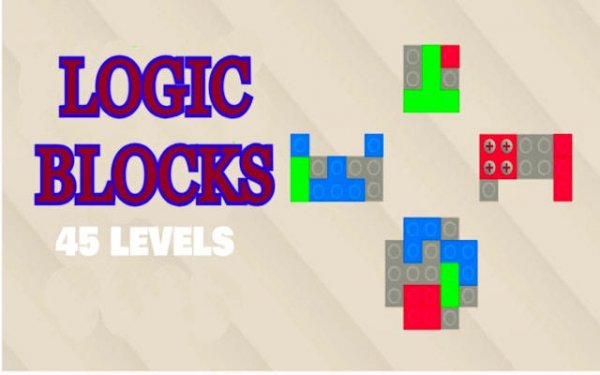
Core Puzzle Mechanics
In Hue Grouping Challenge, the playing field presents a mix of colored blocks. The central task is to shift these blocks into positions where every block of a given color touches at least one other block of the same color, creating a unified cluster. This simple rule leads to surprisingly complex arrangements. Each board is a fresh layout, so players must adapt their approach frequently. The move limit adds a layer of restraint, rewarding those who think ahead rather than making random adjustments.
Level Structure and Difficulty Curve
The game includes a series of puzzles that start with small grids and a few colors. As players progress, the boards grow larger and the number of colors increases. Later puzzles require more steps to complete, and the move limit becomes tighter. This gradual ramp-up helps newcomers learn the basics before facing tougher challenges. The design ensures that each new level feels like a natural step forward, not a sudden jump in complexity.
Visual Design and User Interface
The interface is clean and uncluttered. Blocks are rendered in distinct, soft colors that are easy to tell apart. The grid lines are subtle, keeping the focus on the blocks themselves. Dragging a block to a new spot produces a smooth animation, giving clear feedback. There are no distracting elements or flashing effects. This minimalist approach helps players concentrate on solving the puzzle without visual noise.
Controls and Accessibility
Players can use a mouse on a computer or touch input on a tablet or phone. The drag-and-drop action is responsive and forgiving, meaning accidental slips are rare. There is no timer, so users can pause and think as long as they need. This makes the game accessible to people of different ages and skill levels. The simple control scheme also means that anyone can pick it up and start playing within seconds.
Mental Benefits and Play Style
Hue Grouping Challenge encourages logical reasoning and forward planning. Each move has consequences, and a single misstep can waste a valuable move. Players learn to visualize the final arrangement before making changes. This kind of spatial thinking is useful for problem-solving in everyday life. The game fits well into short breaks because a single puzzle can be completed in a few minutes, yet it also offers enough depth for longer sessions.


Comments
0 comments